You Protect Others – Let Us Help Protect Your Health
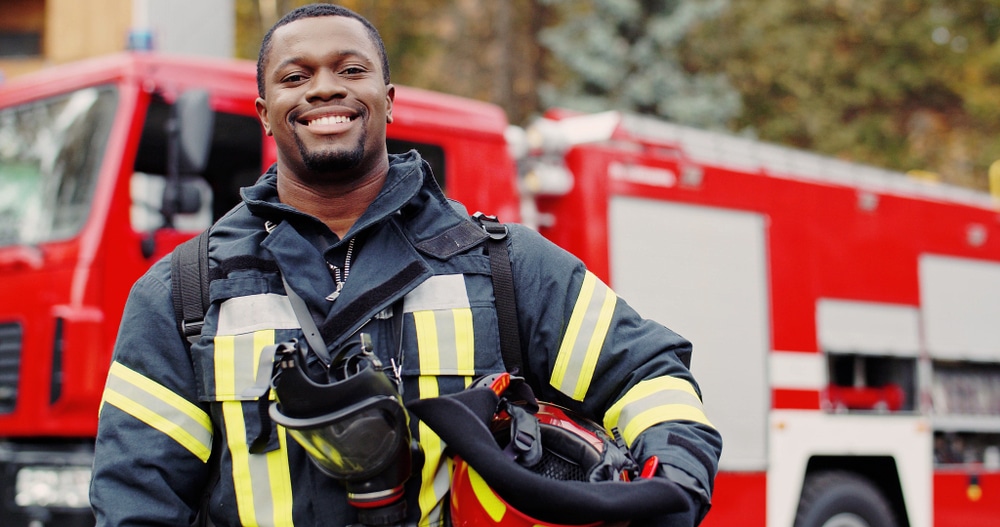
Wasatch Crest’s addiction therapists and counselors provide specialized treatment for first responders, including firefighters, police officers, paramedics, dispatchers, and frontline medical professionals.
We understand the immense stress and critical incident trauma that come with the job. Our gender-specific residential programs and co-ed outpatient programs offer safe, supportive spaces where first responders can recover from substance use disorders and co-occurring conditions while surrounded by compassionate professionals.
The Reality of Addiction and Trauma Among First Responders
- Up to 40% of first responders are affected by alcohol abuse (The Association for Addiction Professionals).
- First responders are more likely to die by suicide than in the line of duty (Ruderman Family Foundation).
- Up to 30% of first responders develop behavioral health conditions such as PTSD or depression (Substance Abuse and Mental Health Services Administration).
Addressing PTSD, Trauma, and Addiction Together
First responders are often at a higher risk for PTSD, depression, anxiety, and substance use disorders due to repeated exposure to trauma and life-and-death situations. Our trauma-informed approach ensures that addiction and underlying trauma are addressed together for more effective recovery.
Our Treatment Modalities
- Gender-Specific Residential Treatment: Many first-responders, especially women, find safety and support in our gender-specific environments, where they can process trauma and heal in a community designed for their unique recovery needs.
- Cognitive Processing Therapy (CPT): Cognitive therapy helps first responders unpack and challenge trauma-related thoughts, such as survivor’s guilt or self-blame, to support emotional healing and promote recovery from substance use.
- Cognitive Behavioral Therapy (CBT): CBT helps first responders process traumatic experiences and develop healthier coping mechanisms.
- 12-Step Facilitation & Peer Support Groups: Our 12-step integration program fosters a recovery network of peers who understand the unique challenges faced by those in the profession.
- Medication-Assisted Treatment (MAT): MAT supports safe withdrawal management and long-term recovery.
- Family Therapy & Support Groups: Group sessions help repair relationships impacted by addiction and occupational trauma.
- Dialectical Behavior Therapy (DBT): DBT provides first responders with the tools to manage stress, regulate emotions, and prevent relapse.
- Equine and Experiential Therapy: This approach engages first responders in outdoor, adventure-based therapies that reinforce resilience, teamwork, and purpose-driven healing.
Accessible & Confidential Support
- Gender-Specific Options: First responders can benefit from gender-specific environments, particularly for trauma processing and recovery.
- Mountainside Healing Environment: Our Wasatch Range location offers a peaceful retreat from daily stressors, providing space for reflection and renewal.
- Personalized Care in a Close-Knit Setting: Our intimate setting enables individualized treatment, ensuring each first responder receives the care they need.
- Family Support & Reintegration Assistance: Addiction and trauma affect not just the individual patient but also their families. Our family support resources help first responders and their loved ones heal together.
What Makes First Responder Addiction Treatment Different?

First responder addiction treatment addresses the unique pressures faced by police, firefighters, EMTs, and military personnel – professions where exposure to repeated trauma, life-or-death decisions, and chronic stress is common. These individuals may suppress emotional responses to maintain job performance, increasing their risk for substance use.
Traditional rehab programs often lack the trauma-informed care, peer support, and occupational awareness needed to engage first responders effectively. Our specialized programs address their unique realities, promoting long-term recovery and resilience.
Signs of Trauma and Substance Use in First Responders
Signs of trauma and substance use in first responders can include:
- Emotional numbness
- Irritability
- Sleep disturbances
- Hypervigilance
- Withdrawing from loved ones
- Anxiety
- Depression
- Flashbacks related to traumatic events
To cope, first responders might rely on alcohol or drugs, often in secret due to stigma or job-related fears. These warning signs can develop gradually and are frequently overlooked until the substance use begins to interfere with work, relationships, or general well-being.
Long-Term Recovery Support
Long-term recovery support for first responders includes transitional living and sober housing, which offer structure and accountability in a supportive environment after residential treatment. These settings help individuals gradually return to daily life while reinforcing healthy routines.
Relapse prevention tools are tailored to the demands of high-stress professions, focusing on stress management, emotional regulation, and coping strategies for job-related triggers. Ongoing support and peer connections are also critical for maintaining sobriety in such pressure-filled roles.
Why Location Matters for First Responder Recovery
Location is critical in the recovery of first responders. Park City and Heber City offer peaceful and scenic environments that promote mental clarity and emotional healing.
Being away from familiar work settings allows individuals to focus fully on their well-being without fear of judgment or professional scrutiny. The area’s access to outdoor activities also provides healthy outlets for stress and supports physical and emotional resilience, making it an ideal backdrop for structured, long-term recovery.
Why Choose Wasatch Crest Treatment Services?
Wasatch Crest Treatment Services offers specialized addiction recovery developed specifically for first responders. Our experienced clinical team understands the complex relationship between trauma and substance use in high-stress professions. With deep respect for the courage and sacrifices of first responders, the program integrates trauma-informed care, dual diagnosis treatment, and peer support in a safe and confidential environment.
FAQs
Is This Program Only for Utah-Based First Responders?
No, Wasatch Crest Treatment Services welcomes first responders from across the United States. Our residential and outpatient programs cater to individuals from diverse locations.
What Insurance Plans Do You Accept?
Wasatch Crest is the most widely contracted program in Utah. We are in-network with many major insurance providers, including:
- Aetna
- Blue Cross Blue Shield
- EMI Health
- First Health Network
- MHN
- Molina Healthcare
- Multiplan
- SelectHealth
- Tricare
- University of Utah Health Plans
- WISE Provider Networks
We also work with out-of-network plans and offer assistance in verifying coverage.
How Do You Maintain Confidentiality for Public Servants?
Wasatch Crest upholds strict confidentiality standards. Treatment details are only shared with authorized individuals upon written consent. Our privacy practices ensure that first responders can seek help without concerns about professional repercussions.
Discover Treatment Elevated™ at Wasatch Crest
Wasatch Crest delivers best-in-class care with a proven track record of high client satisfaction and graduation rates that exceed industry standards. Our comprehensive, individualized approach ensures first responders receive the highest level of support for lasting recovery.
Seeking help is a sign of strength, not weakness. Our confidential, judgment-free program is designed to help first responders reclaim their health and well-being while honoring their service and sacrifices. Give us a call at 435-657-9755 or complete an online contact form, and a team member will be in touch.